
So… Is It Safe or Are People Just Guessing?
Short answer: yes, it can be safe.
Long answer: it depends on how you treat the razor and your skin.
A lot of people think water and electric razors should never meet. That idea comes from older devices and bad experiences. Newer electric razors that support wet use are built differently. They are sealed, insulated, and designed to work with moisture. When used properly, wet shaving can actually feel gentler than dry shaving, especially if your skin reacts badly to friction.
Where things go wrong is not the water. It’s the habits. Pressing too hard. Rushing. Skipping prep. Or using a razor that was never meant to be used wet in the first place. If those mistakes are avoided, wet shaving becomes very manageable and surprisingly comfortable.
What Wet Shaving with an Electric Razor Really Feels Like
Wet shaving with an electric razor does not feel like blade shaving. It’s quieter. Slower. Less aggressive. Instead of scraping hair off the skin, the razor trims it through a guarded system. Add water or gel, and the hair softens. It bends instead of resisting. That alone changes the experience.
This is where people misunderstand the method. They expect instant smoothness. Electric shaving doesn’t work that way. It works best when you guide the razor and let the internal cutters do their job. Companies like Philips and Braun design their razors around this idea. Protection first. Cutting second. Comfort always in the background.
Why Dry Shaving Feels Harsher Over Time
Dry shaving looks easy, but it builds friction. You may not feel it immediately, but your skin does. Heat builds up. The razor passes over the same area again and again. Eventually, irritation shows up, usually on the neck.
Wet shaving changes that. Moisture cools the skin. Lubrication allows movement without drag. Hair cuts easier, which means fewer passes. Many people notice that even if the shave takes longer, their skin feels better an hour later. Less redness. Less tightness. Fewer angry patches that appear out of nowhere.
Reasons people quietly switch to wet electric shaving:
- Skin stays calmer after shaving
- Hair does not tug as much
- Neck irritation reduces over time
Preparation Is Boring, but It’s Everything
Skipping prep is the fastest way to hate wet shaving. Warm water matters. It cleans the skin and lets hair absorb moisture. That small change makes cutting easier and more even.
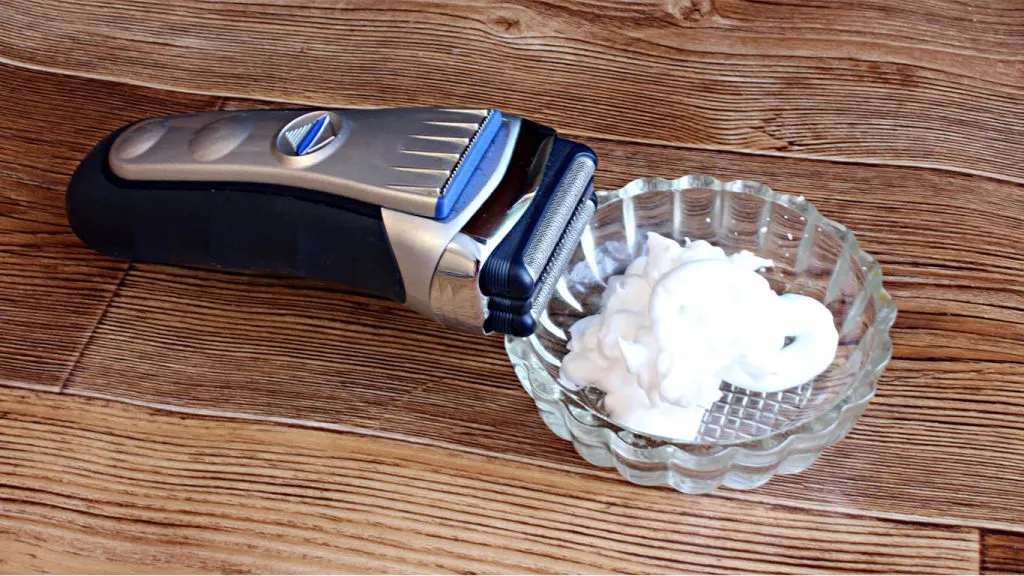
Use a light gel or cream made for electric razors. Thick foam does more harm than good here. It blocks the razor head and kills efficiency. You are not cushioning a blade. You are improving glide. Give the product a moment. That pause matters more than people think.
How to Actually Shave Without Annoying Your Skin
If there’s one rule, it’s this: don’t fight the razor.
Electric razors hate pressure.
Hold it lightly. Move slower than you think you need to. Let the razor collect hair instead of forcing it. Straight strokes work better for foil razors. Small circles suit rotary heads. If something doesn’t cut, rinse the head and come back to it.
This is not a race. Wet electric shaving rewards patience. When people rush, irritation follows. When they slow down, the shave suddenly feels easy.
Things that quietly improve results:
- Light pressure only
- Calm, steady movement
- Rinsing buildup during the shave
After the Shave, Don’t Ruin the Work
Once you’re done, your skin is more sensitive than usual. Cool water helps settle it down. It reduces redness and removes leftover product without stripping moisture.
Dry your face gently. No scrubbing. Then apply a simple, alcohol-free balm or moisturizer. This step is not optional if you care about long-term skin comfort. Good aftercare prevents that tight, itchy feeling that shows up later in the day and makes people blame the shave instead of the routine.
A Dirty Razor Cancels Everything
Wet shaving leaves moisture behind. If the razor isn’t cleaned, performance drops fast. Hair sticks. Blades work unevenly. Skin feels it.
Rinse the shaving head thoroughly. Shake out excess water. Let it dry fully. Clean razors shave smoother and last longer. Neglecting this step turns a good routine into a frustrating one
Final Thought: Should You Do It or Not?
Wet shaving with an electric razor isn’t magic. It won’t suit everyone. But for people dealing with irritation, dryness, or uncomfortable dry shaves, it’s a solid alternative.
When done calmly and correctly, it’s safe, controlled, and much easier on the skin than most expect. Not perfect. Just practical.