
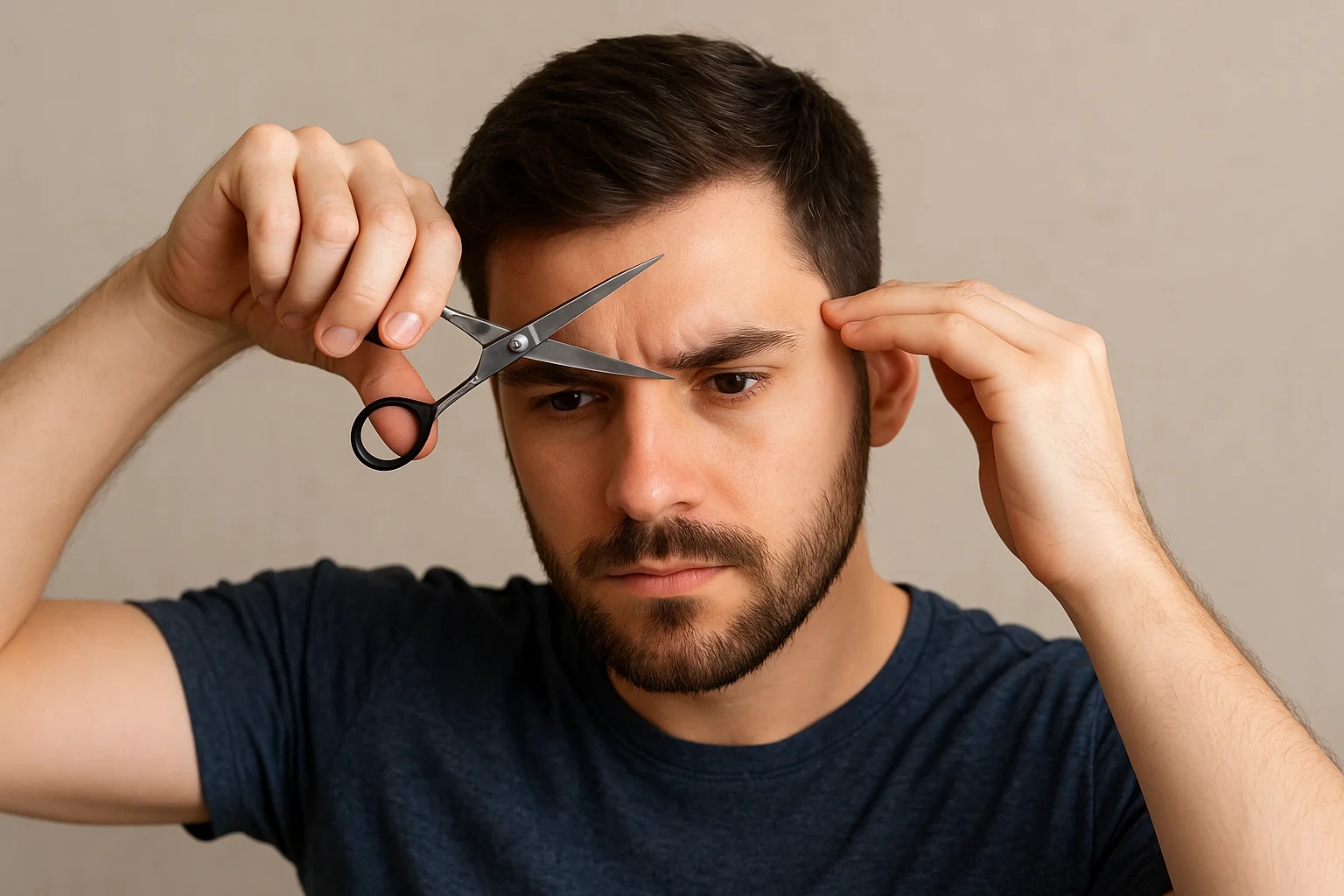
You’ve probably heard this since childhood: “Cut your hair often and it’ll grow faster.” Almost everyone swears by it from your mom to the stylist who trims your bangs. But here’s the plain truth: it’s not true, trimming doesn’t actually speed up hair growth.
Hair grows from the roots, deep under your scalp. What happens at the ends doesn’t control that process. Still, trims are far from pointless. When you cut away damaged or frayed tips, your hair stops snapping and thinning. Over time, it looks fuller and healthier, so it seems to be growing faster. The difference isn’t in the speed it’s in the strength.
What’s Really Going On When Hair Grows
Each and every strand starts its existence in a follicle under your skin. The follicles have their own small blood supply which supplies oxygen and nutrients. Those follicles remain active when you are healthy, when your blood flows well and even when your scalp is clean.
The growth of most people is about half an inch per month -six inches per year. No oil, serum, or haircut can change that natural pace. But damage can make you lose length. When the ends split and break, your strands keep getting shorter even while your roots are working hard. Regular trims simply protect the progress you’ve already made.
Why So Many Believe the Trimming Myth
The myth probably started because of how hair looks right after a cut. Freshly trimmed ends reflect light better, the shape looks tidy, and frizz disappears. For a few weeks it genuinely feels like your hair is thriving.
Back in my salon days, I saw this reaction constantly. A client would sigh in relief after a small trim and say, “It’s already longer!” In reality, what they saw was healthier hair not faster growth. The truth is stuck because the result is visible right away, while real growth happens slowly under the scalp.
Why Does Trimming Hair Make It Grow Faster
Then why does hair grow faster when it is trimmed when it does not seem to have any effect on the follicles? Since trimming makes your ends strong enough to live through the growth cycle. When such ends remain smooth and closed they do not fall off before new hair grows over them.
Imagine it is keeping a favorite plant. You cut off the dead leaves so that the plant can concentrate on the new ones. The pruning does not accelerate the biology of the plant, it simply eliminates the things that are holding the plant back. Hair does the same thing, when it is cut, the weak places are removed and the rest will grow.
Why Regular Trims Are Worth It
You don’t have to cut off inches to see results. Even removing half an inch every couple of months can change everything. Trimming helps your conditioner absorb better, prevents tangles, and gives your hair that soft “fresh from the salon” bounce.
The biggest advantages of consistent trims:
- Stops split ends before they travel upward
- Makes hair smoother and shinier
- Prevents frizz and knots
- Keeps layered cuts balanced
- Helps you retain real length over time
Clients who trim regularly often notice they need fewer styling products. Their hair behaves naturally because it’s not weighed down by rough, broken ends.
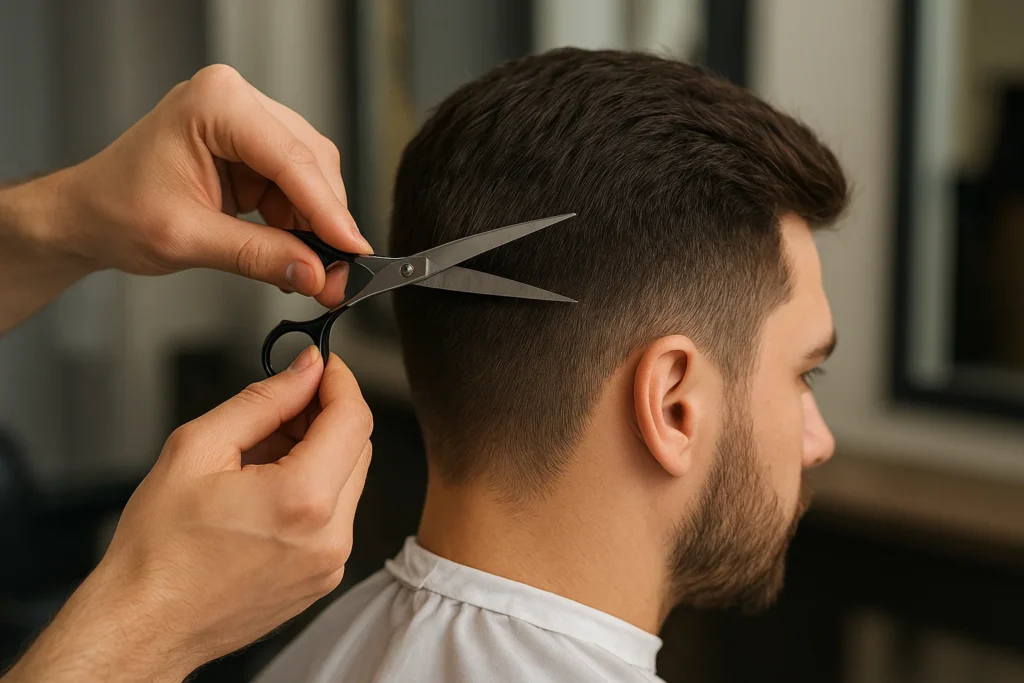
How Often to Trim Hair for Maximum Growth
Now how do you make up your mind how many times you ought to cut off hair in order to grow? It is based on your feelings, habits and ambitions.
When you resort to flat irons or curling devices frequently, a trim is to be sought after 6 to 8 weeks. Heat speeds up damage. For thick curls or coils, every 10–12 weeks usually works fine because the pattern hides small splits. Straight or fine hair shows wear quickly, so an 8-week schedule keeps it fresh.
A good rule: if your ends feel dry, don’t wait for a calendar reminder. Book a quick dusting. Tiny, consistent trims are better than big chops twice a year.
Does Cutting Dead Ends Help Hair Grow
Another common question is does cutting dead ends help hair grow? Technically, trimming doesn’t tell your scalp to grow new strands, but it stops your current ones from falling apart. Dead ends act like weak links in a chain once one snaps, it spreads upward.
When you snip them off, you protect the rest of the strand. That means less breakage, fewer tangles, and better moisture retention.
You probably need a trim if:
- Your ends look lighter or thinner than the rest
- The tips feel rough even after conditioning
- Your brush catches near the bottom
- Split ends are visible in bright light
Cutting those ends is like starting fresh. Most people instantly notice smoother movement and a healthier shine.
Salon Trim or DIY: Which Is Better?
Both have their place. A salon trim gives you perfect shape and uses professional tools that seal the ends neatly. Stylists also spot damage you might miss. In my chair, I’ve stopped clients from losing extra inches just by showing them where the true split started.
Trimming at home can work too, but only with the right scissors. Kitchen or office ones crush the ends instead of cutting cleanly. Use sharp shears, work in good lighting, and snip a tiny amount at a time. Focus on visible damage not length. Remember, the goal is maintenance, not makeover.
Habits That Actually Help Hair Grow
Although trimming makes the outside healthy, growth relies on what occurs within your body and on your scalp. You do not have to spend a lot of money on products, but it is consistency that counts.
Here are simple things that genuinely support growth:
- Rub your head a few minutes a day – it increases circulation.
- Eat protein-rich foods like eggs, beans, and fish.
- Drink plenty of water to keep follicles hydrated.
- Sleep on silk or satin pillowcases to reduce friction.
- Limit chemical treatments and tight ponytails.
I’ve watched clients who followed these basics grow six inches in a year without doing anything extreme. Healthy living always shows in the hair first.
Extra Tips Most People Overlook
A few small habits can sabotage progress without you realizing it. Over-brushing, for example, can cause tiny breaks near the ends. Washing with hot water strips natural oils that keep strands flexible. And skipping regular conditioning leaves hair dry a recipe for splits.
If you live somewhere with dry air or hard water, consider a gentle leave-in conditioner. It locks in moisture and softens the cuticle, helping your next trim stay smooth longer. The less your ends dry out, the fewer inches you’ll lose at each appointment.
Final Thoughts Grow Smart, Not Fast
Trimming does not make your hair grow faster, it only helps it to look longer and stronger as the time goes by, keeping it in good condition. Consider trims as a service, not magic. The omission of them may save an inch at the present, but you will lose more later by breakage.
Care about your scalp, nourish your body, and handle your hair. Those habits together with frequent trims will result in gradual, long-lasting growth, the type that does not disappear after several months. That is a step in the right direction, and it is all up to you.