
When men visit my barbershop and talk about changing their look, the first question they ask is always the same: “How do I grow a mustache that actually looks full, clean, and healthy?” It’s a fair question. Facial hair doesn’t always grow evenly, and the early weeks can test anyone’s patience. But after years behind the barber chair working with all kinds of growth patterns, I’ve learned that a good mustache isn’t luck. It’s the result of smart grooming, healthy habits, and understanding how your facial hair behaves.
Every mustache has its own different style. Some come in thick within a couple of weeks, while others take a month or more before showing real shape. What matters most is how you care for your skin and hair during the process. When you give your follicles what they need, the growth becomes stronger and more controlled. This guide breaks down everything I teach clients in my shop, from understanding early growth to maintaining long-term health.
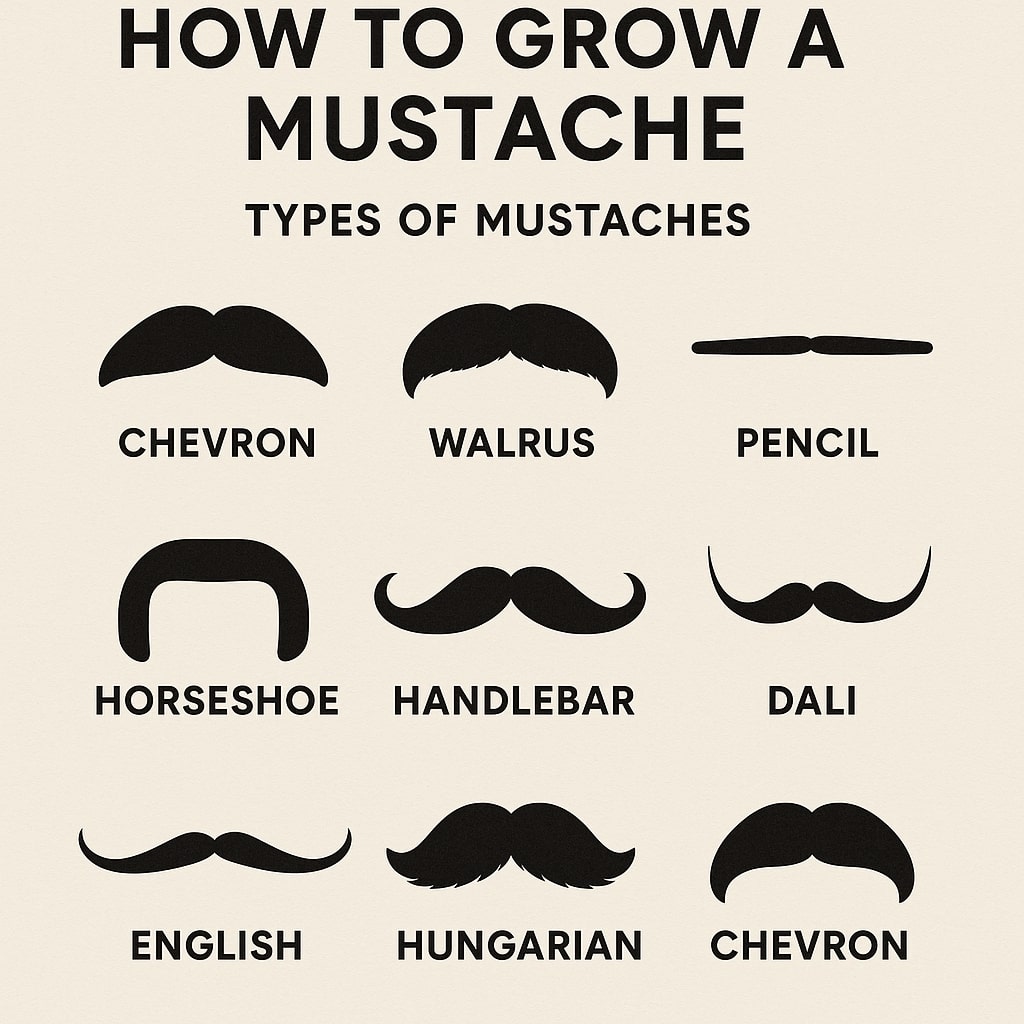
Types of Mustaches
Over the years, I’ve seen men experiment with all kinds of mustache styles, and the right choice can completely change a person’s look. While every mustache has its own personality, most styles fall into a few classic categories:
1. The Chevron

Thick, full, and slightly angled downward. This is the classic “man’s mustache” bold but clean. Great for men with naturally dense growth.
2. The Pencil Mustache

Thin, sharp, and precisely lined above the lip. It requires regular shaping, but it creates a very refined and stylish look.
3. The Walrus Mustache

Full, long, and slightly overgrown covering part of the upper lip. Best for men who want a rugged, vintage look.
4. The Handlebar Mustache
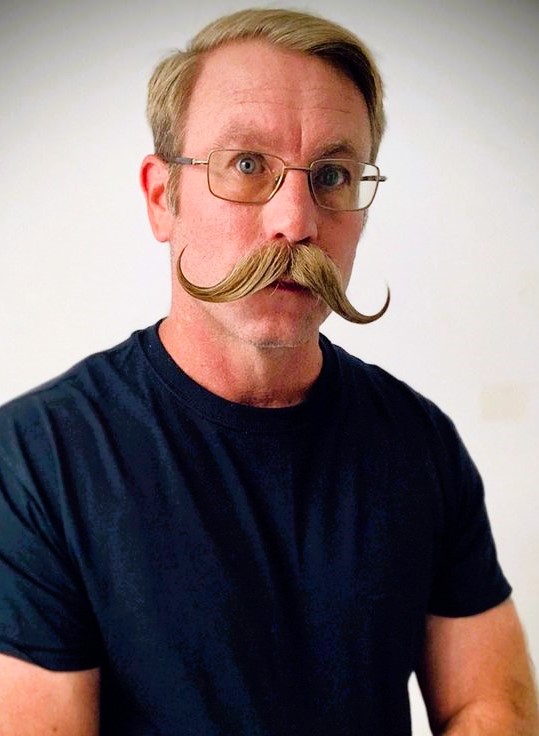
Known for curled ends. With wax and proper training, it becomes one of the most iconic mustache styles. Works amazing for men who enjoy a strong style statement.
5. The Horseshoe Mustache
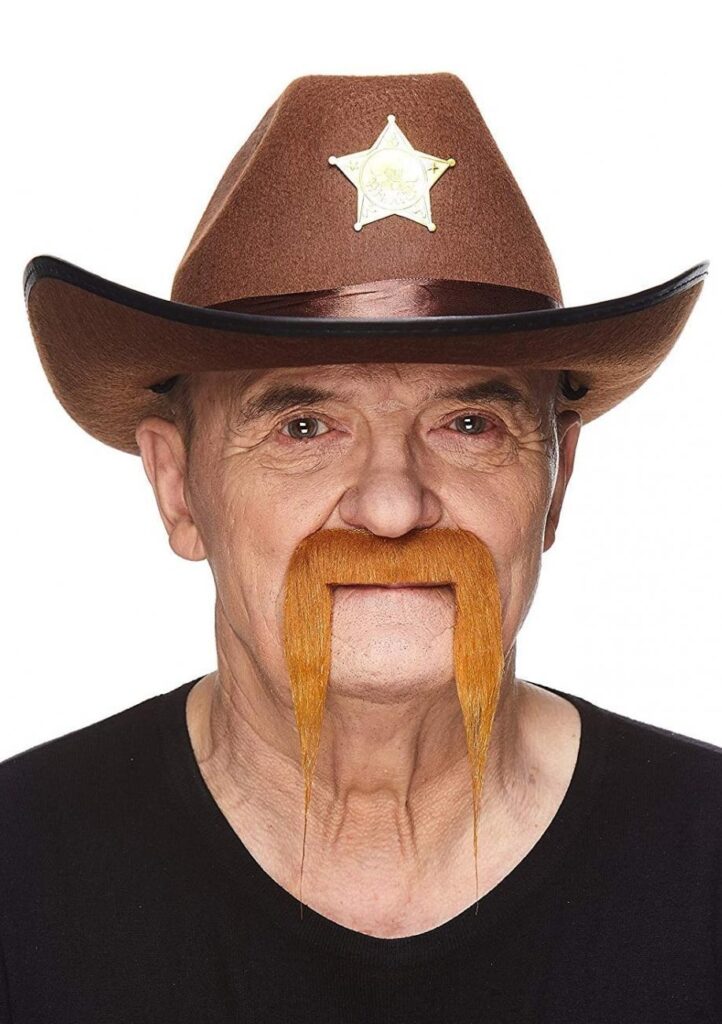
Extends down the sides of the mouth into vertical bars. It gives a bold, biker-inspired look.
6. The Beardstache

A thicker stubble paired with a full mustache. Perfect for men who want a balanced, masculine style without growing a full beard.
7. The Lampshade
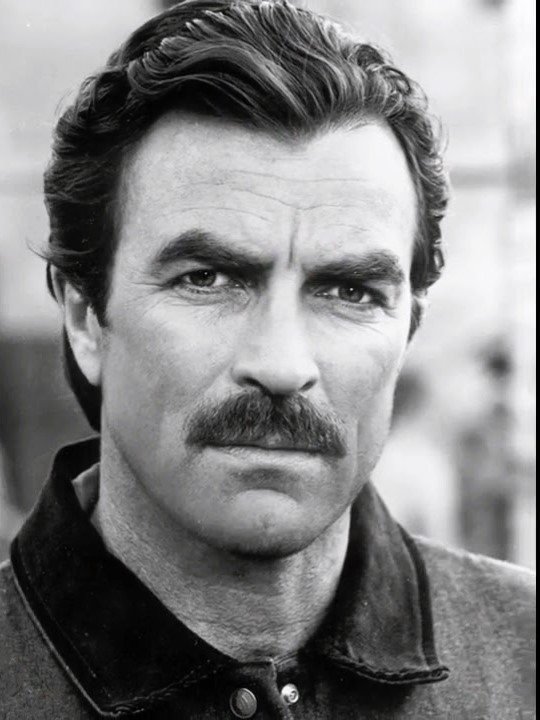
Trimmed close to the lip and shaped like a small square. Neat, controlled, and easy to maintain. You don’t need to memorize every style what matters is choosing a mustache that fits your growth pattern and your face shape.
Which Kind of Mustache Suits Your Face Shape?
Choosing a mustache isn’t just about preference it’s about balance. Over the years in the barber chair, I’ve noticed that the best mustache style is the one that complements your natural face structure.
1. Round Face
A round face benefits from mustaches that add length or angle.
Best options:
- Chevron
- Handlebar
- Lampshade
These styles pull the face slightly downward or outward, adding definition.
2. Square Face
Strong jawlines pair well with fuller, softer mustaches to balance the angles.
Best options:
- Walrus
- Beardstache
- Chevron
These add texture and soften the sharp edges of the face.
3. Oval Face
The most versatile face shape almost any mustache style works.
Best options:
- Handlebar
- Pencil
- Chevron
- Beardstache
Men with oval faces can experiment freely.
4. Rectangular / Long Face
You want a mustache that adds width, not more length.
Best options:
- Walrus
- Lampshade
- Thick Pencil Style
These keep the attention horizontal and balance the shape.
5. Heart-Shaped Face
Since the chin is narrower, aim for mustaches that add weight to the upper lip.
Best options:
- Chevron
- Beardstache
- Soft Handlebar
Thicker mustaches help create balance with the broader forehead.
Know Your Growth Foundation
Growing a mustache starts long before the hair becomes visible. It begins with the health of the skin underneath. I’ve worked with men who wanted a thicker mustache but didn’t realize their skin was too dry or clogged for proper growth. When the skin isn’t healthy, the follicles stay weak. Healthy follicles need clean, flexible skin to push through without resistance.
Most guys see uneven or patchy spots in the first stage. This is normal. The early growth phase rarely looks clean. As a barber, I tell clients not to judge the process too early. The real shape only starts showing once the hair has a few weeks to settle. Consistency with grooming is what helps your mustache grow in the direction and density you want.
Support Growth Through Better Nutrition
One of the biggest changes I see in clients comes from improving their diets. Men often don’t realize how much nutrition affects facial hair. Hair is built from keratin, a protein structure. If you don’t take in enough protein, your hair struggles to grow strong. When clients increase their intake of lean meats, eggs, dairy, nuts, or fish, their mustache growth usually becomes thicker and healthier.
Vitamins play a major role too. Vitamin B helps support hair structure. Zinc helps with hair strength. Iron supports circulation. Small changes like adding leafy greens, beans, and whole grains to your meals can make a visible difference. Consistent nutrition works better than any quick fix.
Hydration and Skin Health Matter More Than You Think
I am able to know whenever a client has enough water. Their hair on the face is softer, healthier and easier to shape. Wet skin is supple and supple skin is able to support the hair as it grows without fracture. Hair becomes brittle and grows at a slower pace when the skin is too dry.
Skin hygiene is necessary on a daily basis. A mild face wash takes away accumulation, oil and dirt which may clog up follicles. Exfoliation can be added once or twice a week to remove dead skin cells to ensure that new growth is not trapped beneath. These easy routines will help you to get less irritated and allow your mustache to grow. One of the best bases of healthy facial hair is the healthy skin.
Improve Circulation and Lower Stress Levels
Movement affects facial hair more than most men expect. Regular exercise boosts circulation, and better circulation feeds the follicles with the nutrients they need. I’ve noticed that men who stay active usually see more consistent mustache growth than those with low movement routines.
Stress works against you. I’ve had clients go through stressful months and suddenly notice slower growth or thin patches. When stress rises, hormones shift, and hair growth slows. Adding small daily habits like walking, stretching, or short breathing exercises can help regulate your system. Your mustache benefits when your body stays balanced.
Master Proper Grooming Techniques
Grooming is where technique matters. In the early stages, brushing or combing your mustache helps guide the direction of growth. This daily training makes your mustache easier to shape later. It also stimulates the skin beneath, encouraging better circulation.
The most common mistake I see is trimming too soon. Many men try to “clean up” the mustache before the hairs have enough length to form their natural pattern. This interrupts the growth process. Let your mustache grow untouched for a few weeks before shaping it. Once you see fullness developing, trimming becomes a tool for definition, not correction.
Use Oils, Conditioners, and Wax the Right Way
Moisture is one of the best gifts you can give your mustache. Before every trim, I apply natural oils usually jojoba or argan to soften the hair. These oils protect the strands and keep the mustache manageable. When clients start using oils at home, their hair becomes softer and more controlled within days.
Conditioners help too. You can use a small amount while showering to soften coarse or wiry mustache hair. For styling, wax is your best friend. It doesn’t change growth speed, but it gives you control. A small amount warmed between your fingers helps guide the mustache into clean lines, especially at the edges.
Patience Is the Real Shortcut
Every client who has grown a great mustache has one thing in common: they stuck with it. Growth takes time. Sometimes progress slows, and the mustache enters a stage where it feels messy or uneven. This is where most men give up. But the ones who push through end up with the best results.
Steady habits matter more than rushing the process. When clients ask me How to grow a mustache faster, I tell them the same truth: the fastest results come from the healthiest routine. Small daily actions brushing, moisturizing, eating well, and keeping the skin clean build the mustache you’re aiming for.
How to Grow a Curly Mustache
A curly mustache has a unique personality, but it takes more care than straight hair. Curly strands lose moisture faster, so conditioning becomes essential. In the shop, I often tell clients with curly facial hair to apply a small amount of conditioner in the shower, then follow with oil once the hair is dry. This keeps curls defined instead of chaotic.
Styling is another key step. A fine mustache comb helps guide the curls into their natural pattern. Adding a small amount of wax allows you to shape the ends or create a refined curl. With time, the hair learns the direction you set. Curly mustaches can look sharp and intentional when you maintain them with a steady routine.
Common Mistakes That Slow Down Growth
I have been shaving off my mustache since I was very young, and I have made some mistakes a few times. Severe shampoos deprive your mustache of the natural oils, and leave the hair dry and feeble. The use of strong products may irritate the skin as well as clog the follicles which you are attempting to stimulate.
Another mistake is shaving too often. Some men believe shaving encourages thicker growth, but that’s a myth. All shaving does is reset your progress. Heat tools can also cause issues. Too much heat creates split ends and leaves the mustache rough. A low setting is fine, but natural drying paired with oil or wax usually gives cleaner results.
Final Advice From a Barber’s Chair
Much mustache is the result of patience, care, and consistency. Once you take good care of your skin, feed your body properly and maintain a regular grooming schedule, you will see the difference. I have seen too many clients change their mustaches just by following the fundamentals and having faith in it.
And with time your mustache will have its own shape and character. Give it time to develop on its own, treat it with a purpose and savor the process. A trimmed mustache is not merely a mode of dressing, it is an indicator of discipline, confidence and presentation of self with pride.