
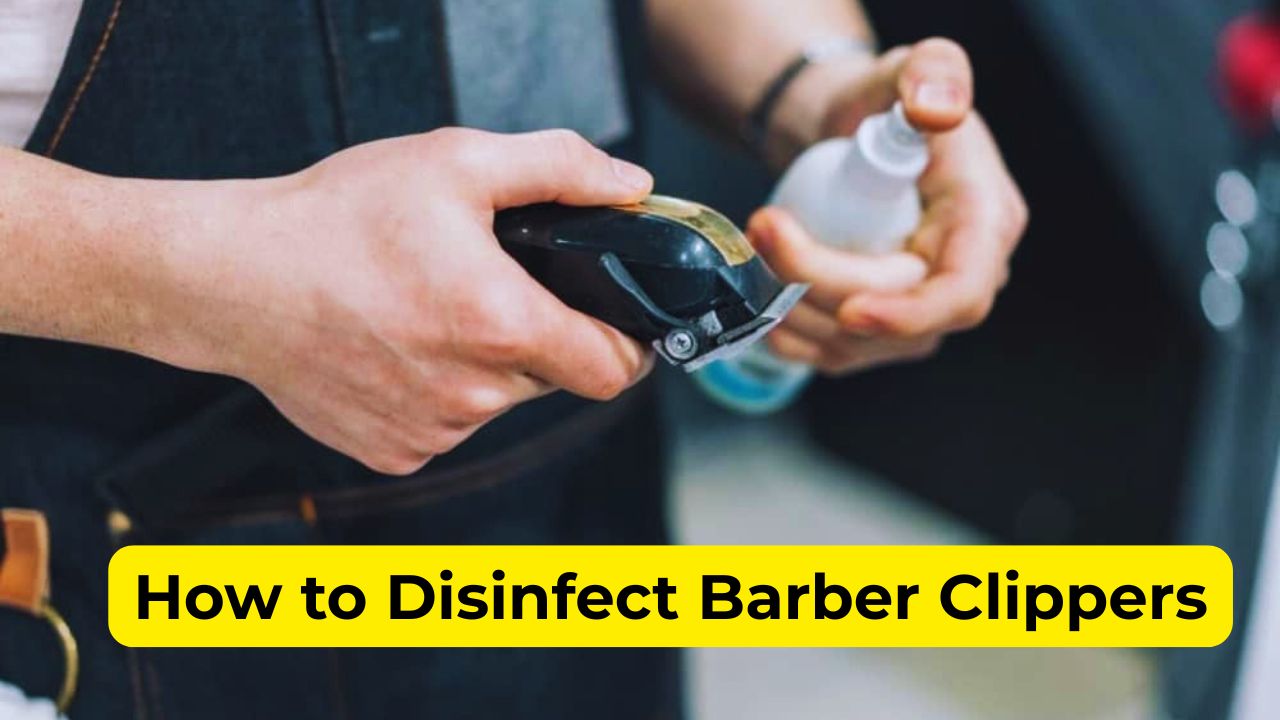
How to Disinfect Barber Clippers is a question every barber cares about, because clean tools are more than a health rule they’re a sign of pride and skill. In a barbershop, clients watch everything. They notice the fade you give them, but they also notice if your tools look dirty or smell stale. Clean clippers are part of the craft just like blending, tapering, and shaping a line-up.
If you want to keep clients safe, avoid infections, and work like a true professional, your clipper cleaning routine must be simple, consistent, and trusted. This guide breaks down real shop methods barbers use daily. The steps are clear, the language is simple, and the tips come from real barber habits — not robotic, not copied, not generic.
Why Clip Hygiene Is Non-Negotiable
Clippers touch skin, hairlines, necks, and beards all day. That means sweat, oils, tiny skin flakes, and hair dust build up quickly. If you don’t clean your blades the right way, germs settle in and spread. Clients may not say anything, but they feel it. Dirty blades tug hair, heat up faster, and cause redness or irritation.
Clean tools also show discipline. A barber who respects hygiene usually cares about detail in cutting too. People trust clean hands, clean capes, and clean clippers. That trust brings repeat clients, referrals, and quality reviews. Every barber wants a busy chair hygiene helps fill it.
What Supplies You Need
You don’t need a long list of products. Just keep this core setup ready every day:
- Clipper cleaning brush
- Blade disinfectant spray
- Clipper oil
You can also keep a separate tray for guards and combs. Use products designed for professional grooming tools. They protect metal, stop rust, and support long-term performance. Avoid bleach water, kitchen cleaners, and household liquids they damage metal and remove protective coating.
Even at home, adopt a shop mindset: clean tools → clean cuts → client trust.
Step-by-Step After Each Client
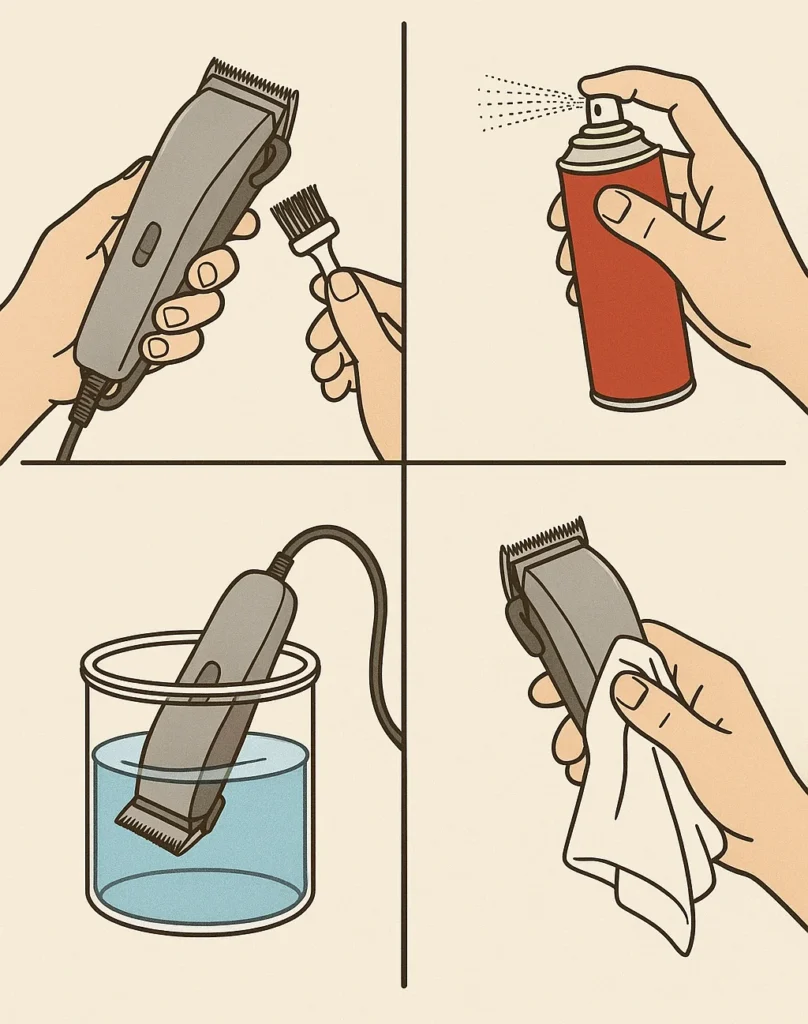
Turn off the clipper and brush away loose hair. Don’t rush this step — leftover hair creates friction and stops disinfectant from reaching blade surfaces. Once hair is brushed off, spray disinfectant directly across the blade teeth.
Let the spray sit for the time listed on the bottle. If you wipe too fast, you don’t kill germs properly. Give the cleaner time to work. After waiting, wipe dry with a clean cloth. If you have cordless clippers, let them air for a moment so any mist or moisture evaporates away from the motor housing.
Store the clippers on a clean station surface. Avoid tossing them on hair-covered counters. Good workflow habits feel small, but they make you look sharp and professional.
Does Trimming Hair Make It Grow Faster? A Complete Guide
Daily Deep Clean Routine
Every day, take a few minutes for deeper cleaning. Remove clipper guards. If your blades detach, take them off and brush inside. Soak guards in disinfectant for the time listed, then rinse lightly and let them air-dry fully. Never use a towel on guards — towels trap bacteria and lint.
Check vents for dust. Clippers breathe like engines; dust changes the sound, speed, and heat level. Clean vents maintain smooth power. At the end of the day, store clippers in a clean, dry area. Good barbers treat tools like valuable equipment, not just machines.
The Role of Blade Oil
After cleaning and drying, add 1–2 small drops of clipper oil across the blade edge. Turn the clipper on for a few seconds to distribute oil evenly. This reduces friction, prevents heat, and keeps blades sharp. Well-oiled blades glide and sound clean, not choppy or stressed.
Never over-oil. Too much oil attracts dust and hair. Light lubrication is enough. Wipe extra oil before storage. Barbers who build an oil habit notice smoother fades and fewer repairs.
Quick Clean Between Clients
In busy hours, you still need sanitation. Brush off hair quickly, mist disinfectant spray, let it sit, then wipe. Keep a “hot and cold guard system” one set soaking while another dries. Switch between them without rushing hygiene.
Clean tools don’t slow you down. They speed you up because your workflow becomes smooth. Clients waiting in line don’t mind a few seconds of sanitation — it shows professionalism.
Mistakes That Hurt Clippers
Many barbers spray disinfectant and wipe immediately. That defeats the purpose. Germs survive. Always wait for contact time.
Other mistakes include using water, skipping oil, and storing tools while still damp. Water rusts metal and dulls blades fast. Moisture also harms motors. Another silent mistake is storing clippers near wet towels or humid areas humidity ruins blades slowly.
Your clippers are like a car engine. Clean fuel (oil), clean parts, dry environment long life, strong performance.
Store Clippers Smart
After cleaning, drying, and oiling, store clippers where dust cannot settle. A clean case or stand works best. Avoid drawers with random tools because metal-to-metal contact dulls blades. Avoid damp areas near sinks or steamy towel warmers.
Good barbers keep stations neat. They wipe cords, dust shelves, rinse comb jars, replace dirty towels, and sanitize capes. A clean space feels premium even if your shop is simple.
Earn Trust With Clean Habits
Clients trust barbers who disinfect tools in front of them. When someone sees you brush, spray, wipe, and oil properly, they feel safe. They return more often. They let you shape their beard and line their eyebrows because they trust your hygiene.
Some barbers overlook this and wonder why they don’t build loyalty. Clean tools are a business strategy — not just health care.
Daily Checklist
- Brush hair off clippers
- Spray disinfectant and let sit
- Dry fully
- Add small oil drops
- Store clean and dry
Post this near your station if you want. Routine builds confidence.
NEW Pro-Level Tips
Below are extra insights real barbers share behind the chair deep professional habits rarely written on Google:
1. Warm Blades Before Disinfection
If a client had heavy product in their hair, run your clipper for 30 seconds before cleaning. Warm blades loosen product residue, making disinfectant more effective. Heat softens buildup like a pre-wash on dishes.
2. Listen to Motor Sound
Barbers judge clipper health by sound. A smooth hum means blades are aligned and clean. A rough, loud, or shaky noise means buildup or dry blades. Treat cleaning as sound-tuning — when clippers sound clean, they cut clean.
3. Use a “Cool-Down Cycle”
If clippers get warm during busy hours, shut them off for 2 minutes every few clients. Heat creates bacteria pockets between blades. A cool cycle keeps temperature safe and reduces germ growth.
4. Vibration Check
Lightly touch the clipper to your wrist. If vibration feels uneven, check alignment or buildup. Barbers feel vibration more than they see dirt.
5. Humidity Control
If you live somewhere humid or keep hot towels nearby, store clippers in a dry toolbox or cabinet. Moisture in the air rusts blades slowly even when clean. Professional barbers protect tools from air as much as dirt.
6. “Sanitation Psychology”
Clean in front of your client, not behind them. People trust what they see. A visible cleaning routine builds authority faster than advertising.
These techniques separate beginners from pros. They make your cleaning smarter, not harder.
Final Thoughts
Clean clippers are not just about hygiene they represent pride, respect, and discipline. Your blades touch skin, shape confidence, and define your work. When you maintain a simple cleaning routine, your tools stay sharp, your clients stay happy, and your reputation rises.
Brush hair, spray disinfectant, wait the right time, dry, oil, and store. Do it after each client and deeper once a day. Add the pro tips above and you’ll maintain tools like a master barber, not a beginner.
In barbering, skill shows in your fades but respect shows in your sanitation.
Your tools work for you. Treat them well, and they will serve you with power, smooth cutting, and long life. That is how real professionals disinfect clippers and build trust in every haircut.